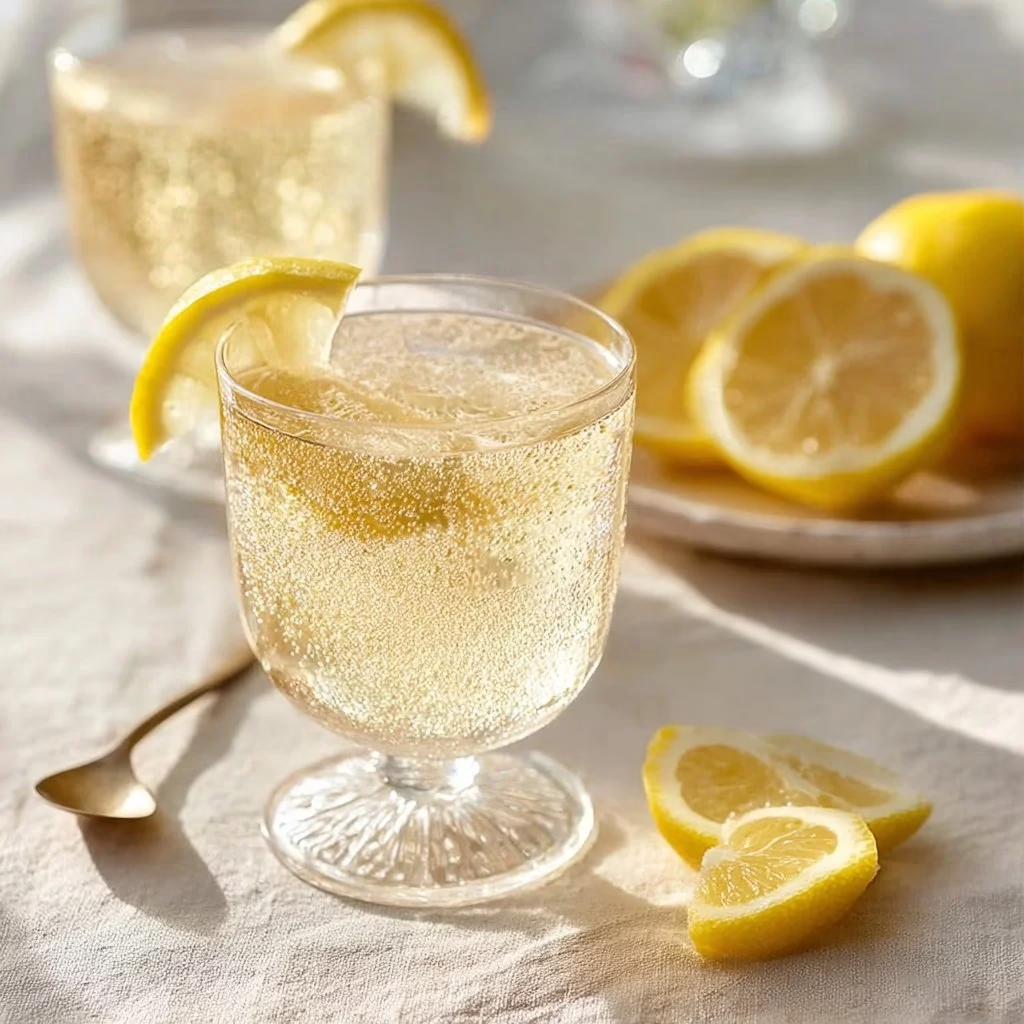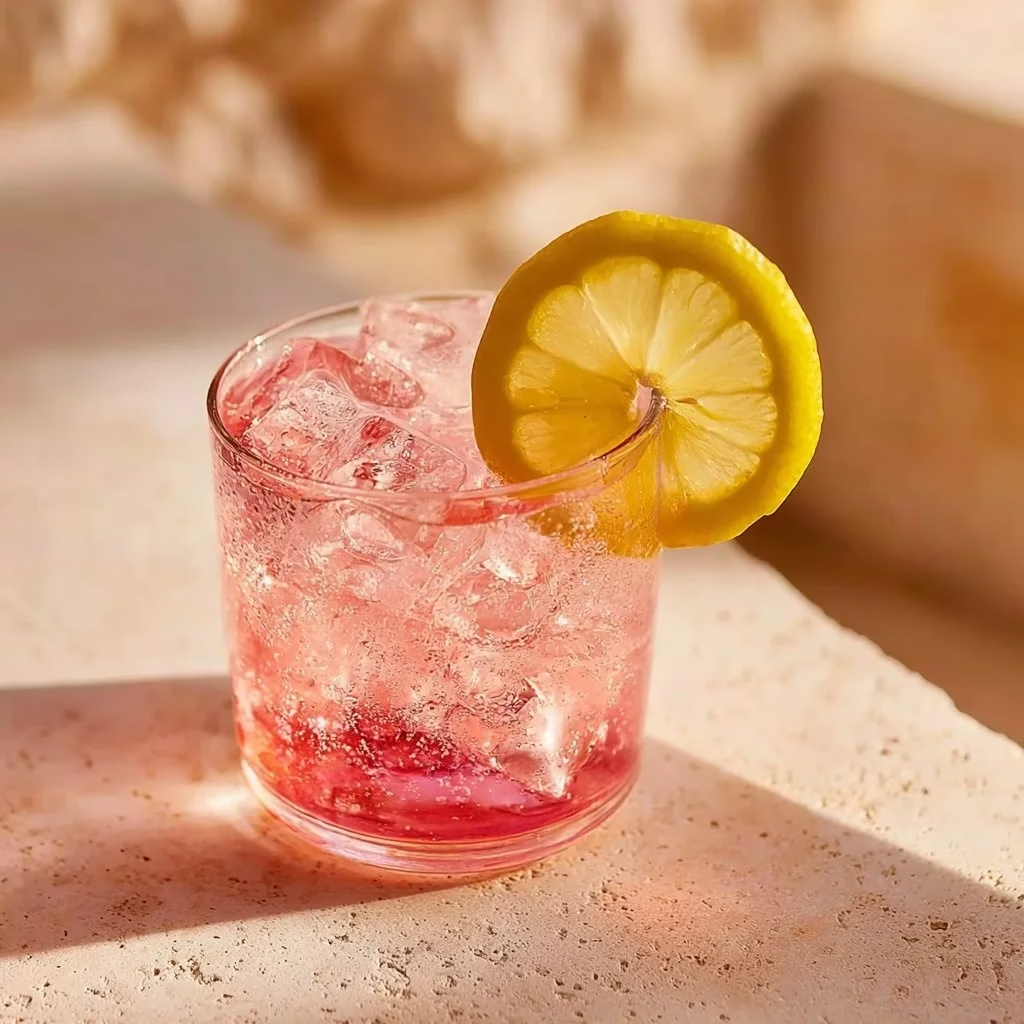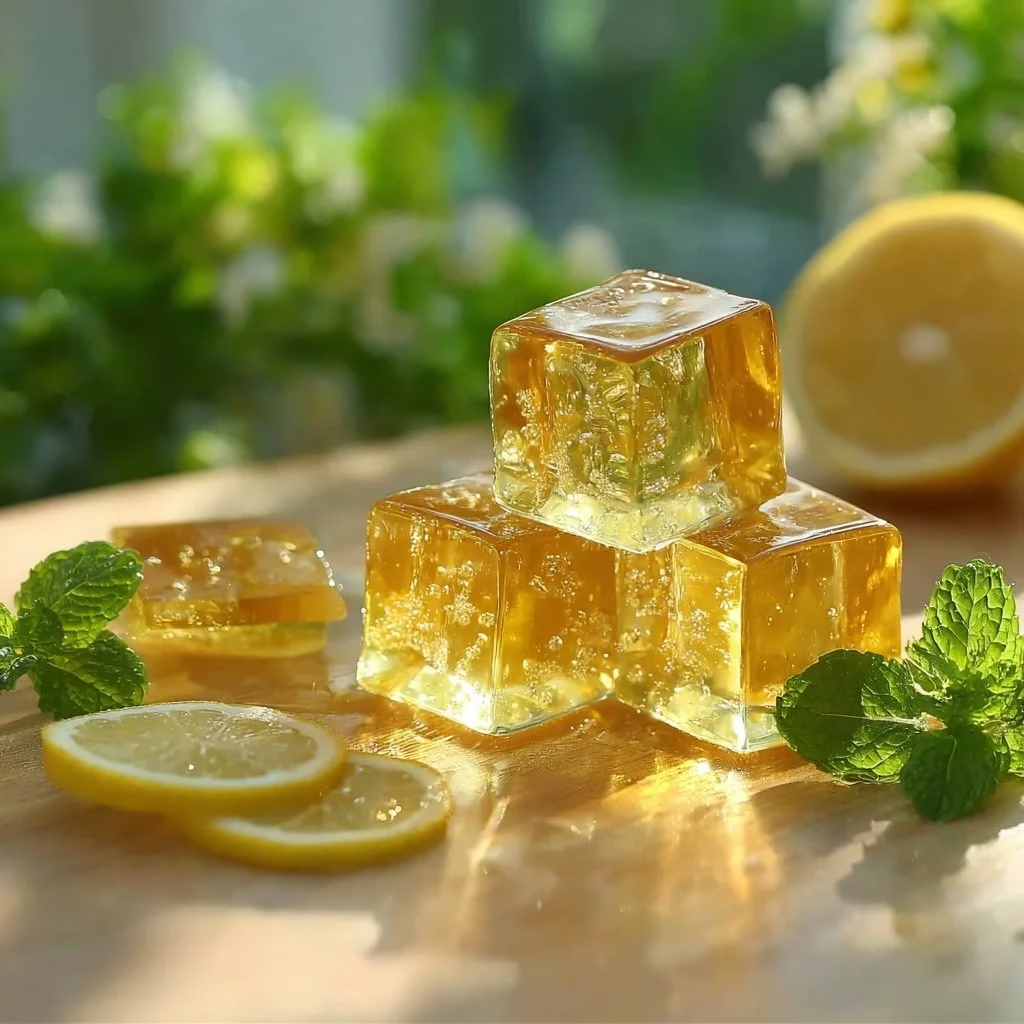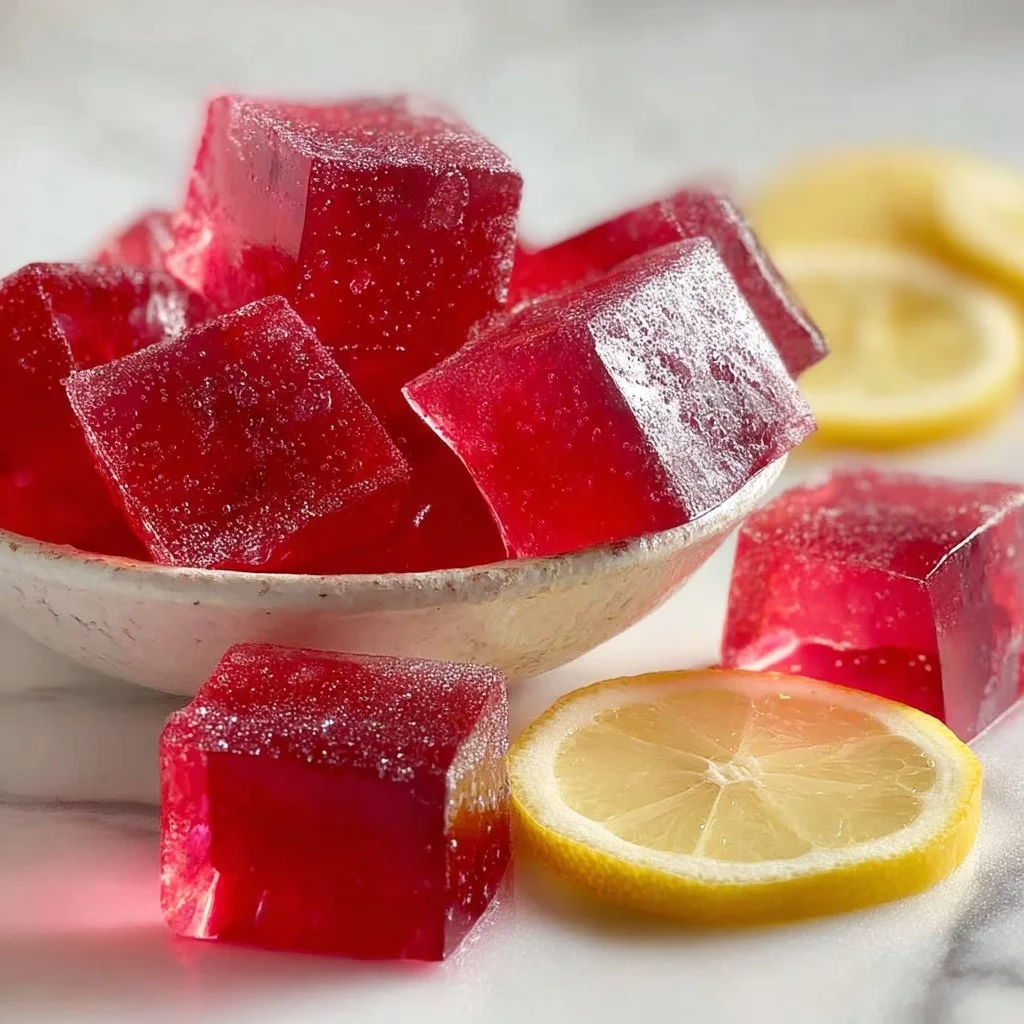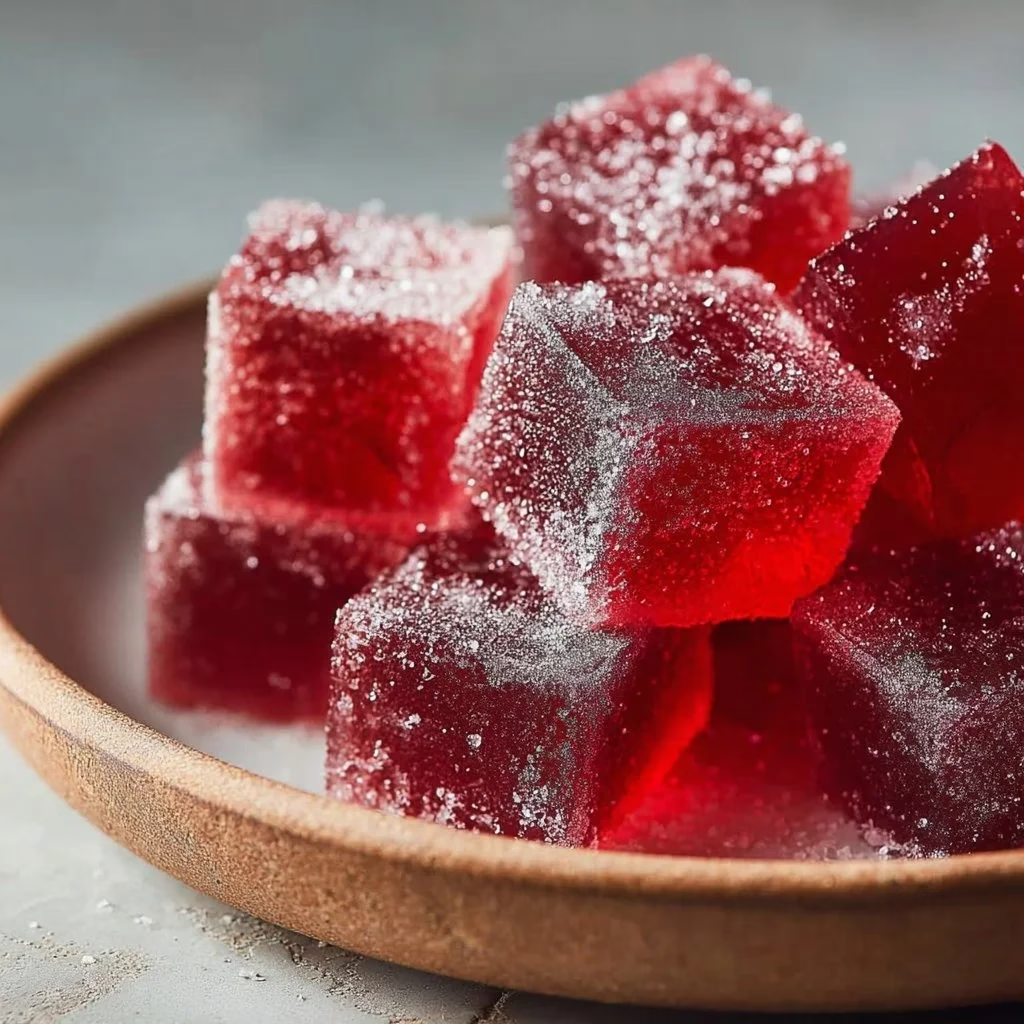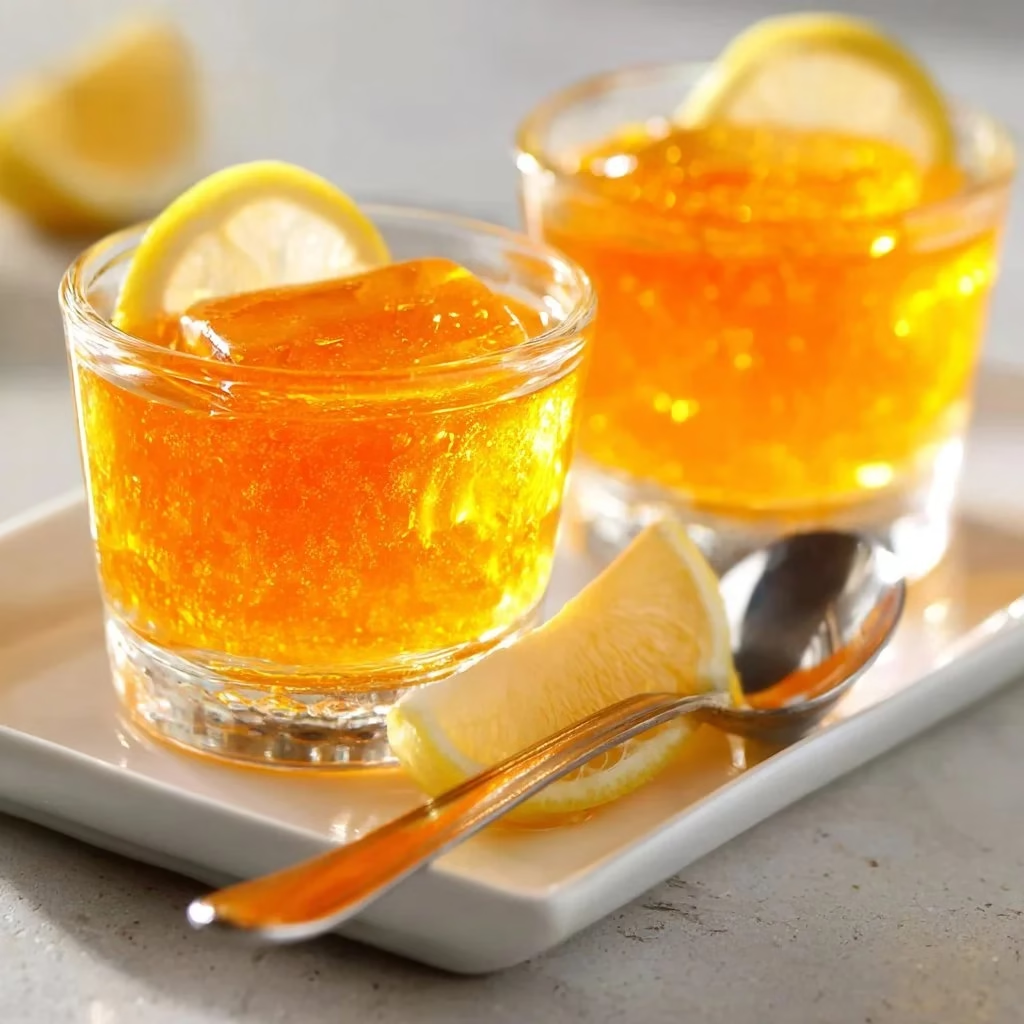
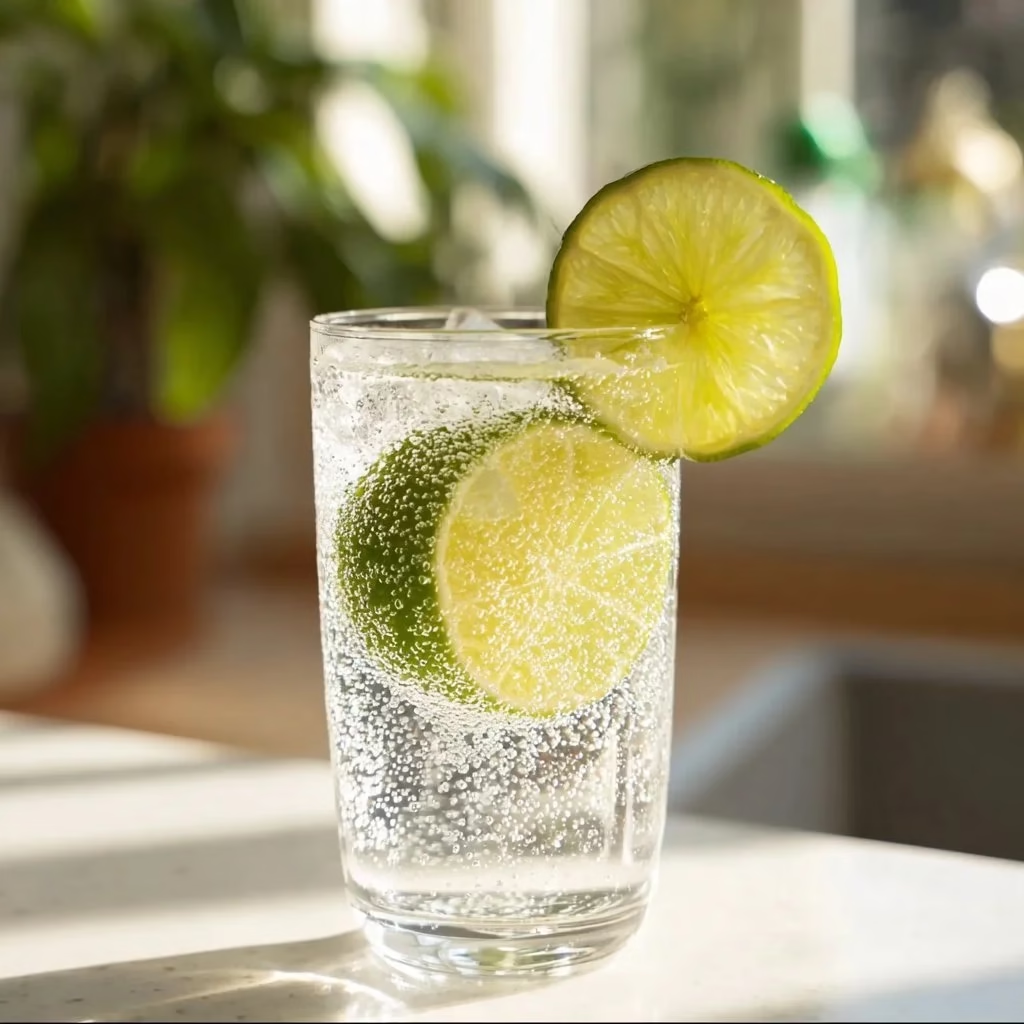
Prebiotic Water for Weight Loss is a simple, flavored beverage made by dissolving prebiotic fibers like inulin or oligosaccharides in cold or room-temperature water, often brightened with citrus or mint. People use it to support appetite control and gut health while keeping calories low; the liquid is usually slightly viscous, subtly sweet or tangy, and served cool with a fresh aroma if herbs or lemon are added. The texture can be a little silky depending on the fiber, and it hydrates like plain water while delivering fermentable fibers that feed friendly bacteria. If you want a gentle, low-calorie habit that may help with cravings and digestion, this is an easy one to try tonight.
What Is Prebiotic Water for Weight Loss?
Prebiotic water is a beverage made by mixing prebiotic fibers such as inulin, fructooligosaccharides, or partially hydrolyzed guar gum into water, sometimes with flavorings like lemon, cucumber, or ginger. These fibers are not digested in the small intestine and instead travel to the colon where they serve as food for beneficial gut bacteria; people hope that by improving gut ecology they can better regulate appetite, reduce bloating, and support metabolic health as part of an overall slimming plan.
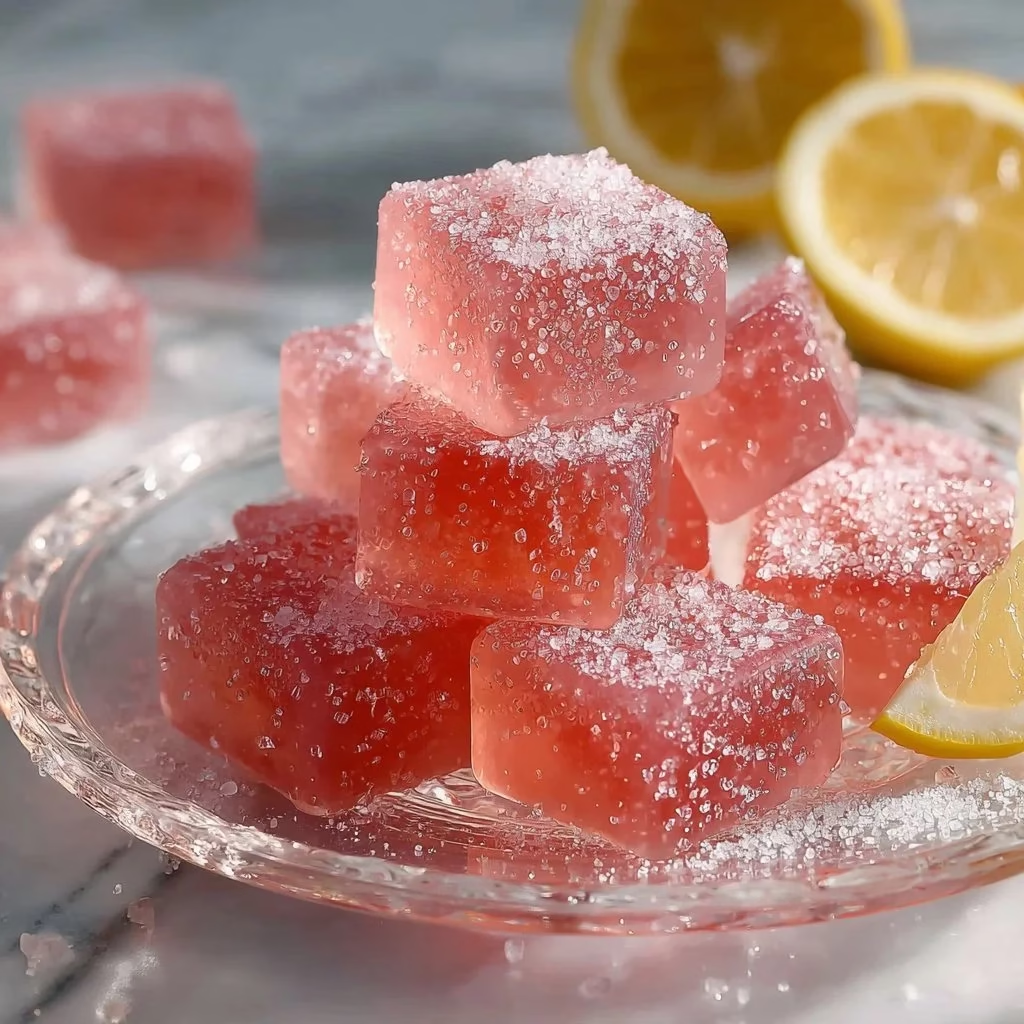
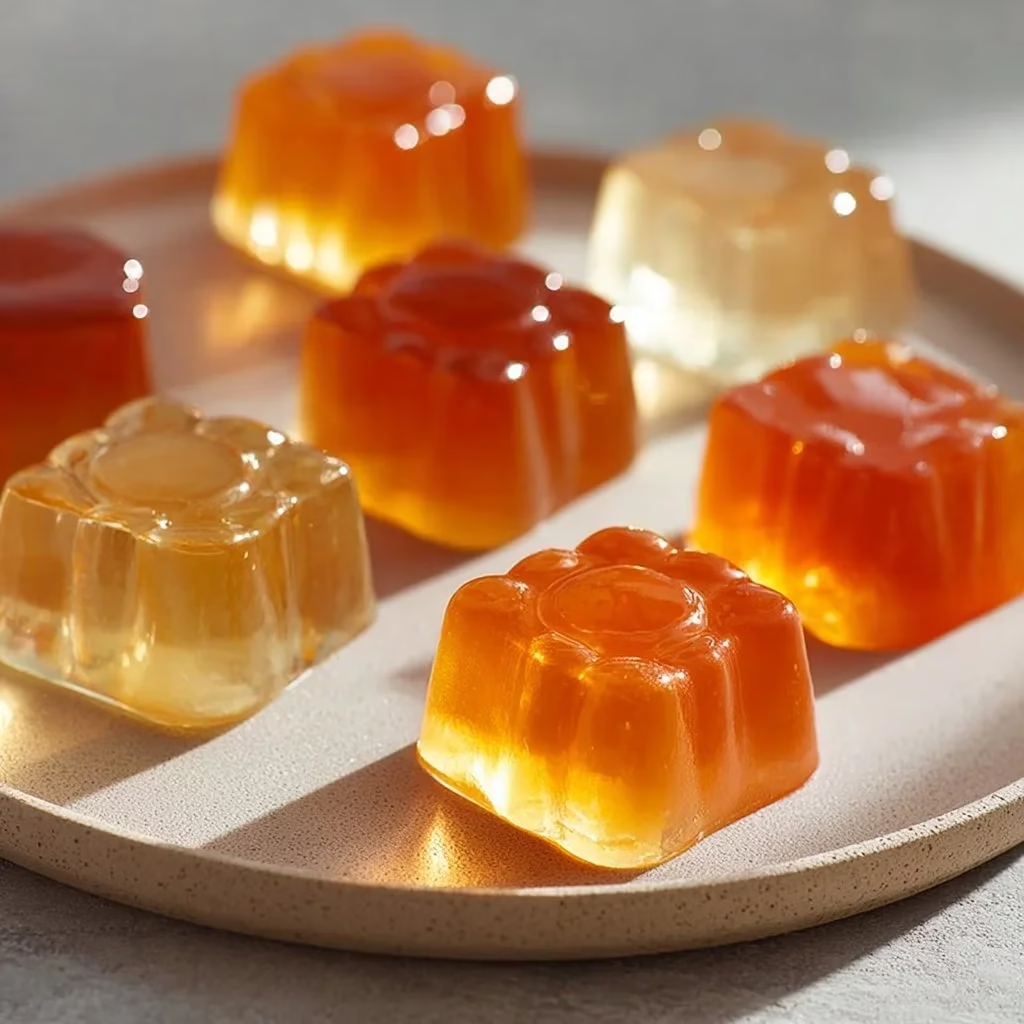
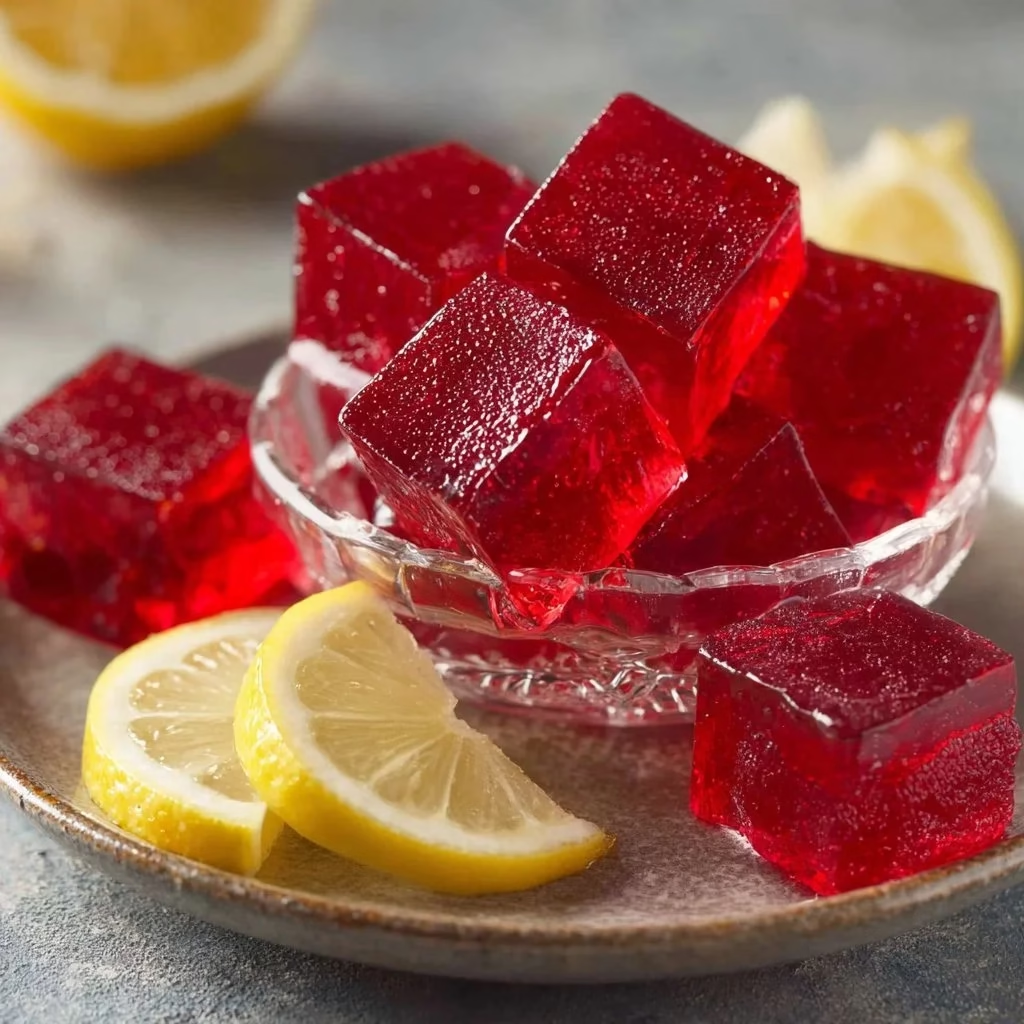
Some users drink prebiotic water before meals to encourage a sense of fullness, and others sip it throughout the day to replace higher-calorie beverages. While early research links prebiotic intake to modest weight and metabolic effects, results vary; it is also important to note that prebiotics can cause gas or bloating in sensitive individuals until the microbiome adapts. For practical recipes and variations that pair well with gelatin-based strategies, some readers explore related tips like the gelatin trick recipe for weight loss to layer habits.
Why People Love This Method for Weight Loss
Many people appreciate prebiotic water because it is low in calories, easy to prepare, and can replace sugary drinks while offering gut-friendly fiber. It feels hydrating and light on hot days, and the mild mouthfeel from soluble fibers can make sips more satisfying than plain water.
- Easy ingredients people often already have in a pantry.
- Low cost compared with commercial functional beverages.
- Fits into busy routines as a simple swap for soda or juice.
- May help curb cravings when consumed before meals.
- Encourages better hydration, which supports digestion and metabolism.
Ingredients
- Inulin powder or chicory root fiber: provides the primary prebiotic fiber; substitute with fructooligosaccharides if preferred.
- Partially hydrolyzed guar gum (PHGG): a neutral-tasting option that dissolves well and is gentle on many stomachs.
- Fresh lemon or lime slices: add bright acidity and aroma; can be swapped for orange or grapefruit for sweeter notes.
- Fresh mint or cucumber: optional for cooling herbal flavor and extra freshness.
- Cold water or sparkling water: use chilled for a refreshing sip; sparkling gives more sensory interest.
For an easy combo that pairs with other slimming tricks, some readers also explore recipes like the 3-ingredient gelatin recipe for weight loss as a complementary habit.
How to Make It (Step-by-Step)
Overview: This method takes just a few minutes and yields a lightly textured, refreshing drink you can sip before meals or throughout the day. Start with chilled water to reduce clumping, whisk powder in slowly, and adjust flavors to taste — the final beverage should be mildly viscous with a clean, citrus-tinged aroma if you add lemon.
- Measure the fiber: Use 1 to 2 teaspoons of inulin or PHGG per 12 ounces of water. Measure precisely to avoid overly thick texture; beginners should start at the lower end to test tolerance.
- Add to cold water: Pour the fiber into a chilled glass or bottle and add about half the water, stirring briskly; cold water reduces clumping and keeps the drink crisp on the palate.
- Flavor it: Squeeze a wedge of lemon or add a few mint leaves, then top up with the remaining water; the aroma of citrus or mint makes the drink more appealing and can signal refreshment.
- Stir or shake thoroughly: Use a small whisk or a sealed bottle and shake for 10 to 20 seconds until the powder is fully dispersed and the liquid has a slightly silky mouthfeel. Check for any gritty spots and re-stir if needed.
- Taste and adjust: If the texture feels too thick, add another ounce or two of water; if it is too bland, add a drop of natural sweetener or more citrus. Beginners may prefer a lighter concentration to avoid gas or bloating.
- Chill before serving: Let the drink rest in the fridge for 10 to 15 minutes if you want it ice-cold; some fibers hydrate further with a short rest, smoothing the texture.
- Store extras: If you make a larger batch, keep it chilled and shake gently before each pour to redistribute any settling.
For more recipe ideas that complement a low-calorie drink routine, check out this take on the gelatin recipe.
How to Use It for Better Weight Loss
Use prebiotic water as a small, routine swap that reduces calorie intake from beverages and may help manage hunger; pair it with balanced meals, mindful portion control, and regular movement for the best results. Drink it cool for a pleasant mouthfeel and sip slowly so the mild viscosity can help provide a small fullness cue. Start with one serving per day and increase gradually to avoid digestive discomfort, and combine it with plenty of plain water so total fiber and hydration needs are met.
- Timing: Try one 12-ounce serving 15 to 30 minutes before a main meal to help reduce immediate hunger.
- Portion: Limit to 1 to 2 servings daily when beginning, then adjust based on tolerance.
- Frequency: Regular daily use is common, but cycle intake if you notice persistent bloating.
- Daily habit: Use prebiotic water to replace a sugary drink or as a pre-meal ritual.
- Safety: If you take medications or have a medical condition, consult your provider before making it a daily habit.
Tips & Variations
Prebiotic water is flexible: swap fibers, flavors, and carbonation to suit your palate while keeping calories near zero. If you are watching sugar, skip fruit juices and use citrus peel or herbal infusions for aroma and taste. For those on specialized diets, choose fibers that align with your tolerance and therapeutic needs.
- Low-calorie option: Use plain cold water with a few drops of lemon and PHGG for the least caloric impact.
- Flavor options: Infuse with ginger slices, cucumber ribbons, or a cinnamon stick for warming or cooling notes.
- Diet-friendly swaps: Use fructooligosaccharides instead of inulin if you tolerate it better.
- Sparkling version: Swap still water for sparkling for a more satisfying, fizzy sensation.
Mistakes to Avoid
A common mistake is starting with too much fiber too quickly, which can cause gas, bloating, or cramping for some people; increase the amount slowly over several days. Another error is relying on prebiotic water as a single solution for weight loss instead of pairing it with healthy eating and activity. Also avoid adding sugary mixers that negate the low-calorie benefit.
- Overconcentration: Fix by halving the dose and gradually increasing.
- Replacing meals: Avoid this; use the drink as a complement, not a meal substitute.
- Ignoring tolerance: If you experience discomfort, reduce frequency and consult a clinician.
- Adding sugar: Use natural flavors instead of sweetened syrups to keep calories low.
FAQs
Q: Can I prepare prebiotic water ahead of time?
A: Yes, you can prepare a batch and store it in the refrigerator for up to 48 hours in a sealed container. Shake or stir before serving because some fibers can settle, and taste will be best within the first day.
Q: How should I store leftovers and how long do they last?
A: Keep prebiotic water chilled in a covered bottle in the fridge for up to two days; longer storage may change texture and flavor. Always check aroma and clarity before drinking, and discard if it smells off.
Q: What are good substitutions if I cannot find inulin?
A: Fructooligosaccharides, PHGG, or partially hydrolyzed guar gum are common substitutes with similar prebiotic effects. Each has a slightly different mouthfeel and tolerance profile, so start with small amounts.
Q: When is the best time to drink it for weight loss benefits?
A: Many people find drinking 15 to 30 minutes before meals helpful for appetite management, though sipping throughout the day to replace higher-calorie beverages also works. Consistency matters more than exact timing.
Q: Is prebiotic water safe for everyone?
A: Most healthy adults tolerate it well in moderate amounts, but people with certain conditions such as small intestinal bacterial overgrowth or severe digestive disorders should check with a healthcare provider. Pregnant or breastfeeding individuals and those on medications should consult their clinician before adding it to daily routines.
Conclusion
Prebiotic water can be a low-calorie, easy-to-make addition to a weight loss plan that supports hydration and feeds beneficial gut bacteria; early studies suggest potential metabolic benefits when combined with healthy lifestyle changes. For controlled trial evidence on combined prebiotic and probiotic programs and weight outcomes, see this study on trial results Effect of weight loss program using prebiotics and probiotics on. For context on common pantry remedies sometimes paired with drinks, review this evaluation of a popular vinegar trend Debunking the health benefits of apple cider vinegar. To learn about animal and human research on phase feeding and microbiome-driven weight changes, see this paper Active phase prebiotic feeding alters gut microbiota, induces weight. If you are interested in how prebiotics may affect medication-related weight changes, read this analysis Influence of prebiotic intake on olanzapine-mediated weight gain. For a consumer-oriented review of prebiotic and soda-style products, consider this hospital overview Are Prebiotic Sodas Good for Your Health?. Try it and tell me how it worked for you!
The information provided in this article is for educational purposes only and should not be considered medical advice. Everyone’s body is different, and what works for one person may not work for another. It’s always best to speak with your healthcare provider before making this a daily habit, especially if you are taking medications, managing a medical condition, or are pregnant or breastfeeding. Always consult your doctor for personalized guidance.
PrintPrebiotic Water for Weight Loss
A simple, flavored beverage made with prebiotic fibers to support appetite control and gut health while keeping calories low.
- Prep Time: 5 minutes
- Cook Time: 0 minutes
- Total Time: 5 minutes
- Yield: 1 serving 1x
- Category: Beverage
- Method: Mixing
- Cuisine: Health Drink
- Diet: Low-Calorie, Vegetarian
Ingredients
- 1 to 2 teaspoons inulin powder or chicory root fiber
- 1 to 2 teaspoons partially hydrolyzed guar gum (PHGG)
- Fresh lemon or lime slices
- Fresh mint or cucumber (optional)
- 12 ounces cold water or sparkling water
Instructions
- Measure the fiber: Use 1 to 2 teaspoons of inulin or PHGG per 12 ounces of water.
- Add to cold water: Pour the fiber into a chilled glass and add about half the water, stirring briskly.
- Flavor it: Squeeze a wedge of lemon or add a mint, then top up with the remaining water.
- Stir or shake thoroughly: Shake for 10 to 20 seconds until fully dispersed.
- Taste and adjust: Add more water or sweetener as needed.
- Chill before serving: Let rest in the fridge for 10 to 15 minutes.
- Store extras: Keep chilled for up to 48 hours, shaking before each pour.
Notes
If you are new to prebiotics, start slow to avoid gas or bloating.
Nutrition
- Serving Size: 1 serving
- Calories: 50
- Sugar: 0g
- Sodium: 10mg
- Fat: 0g
- Saturated Fat: 0g
- Unsaturated Fat: 0g
- Trans Fat: 0g
- Carbohydrates: 12g
- Fiber: 5g
- Protein: 0g
- Cholesterol: 0mg
Keywords: prebiotic water, weight loss, gut health, hydration, low-calorie drink