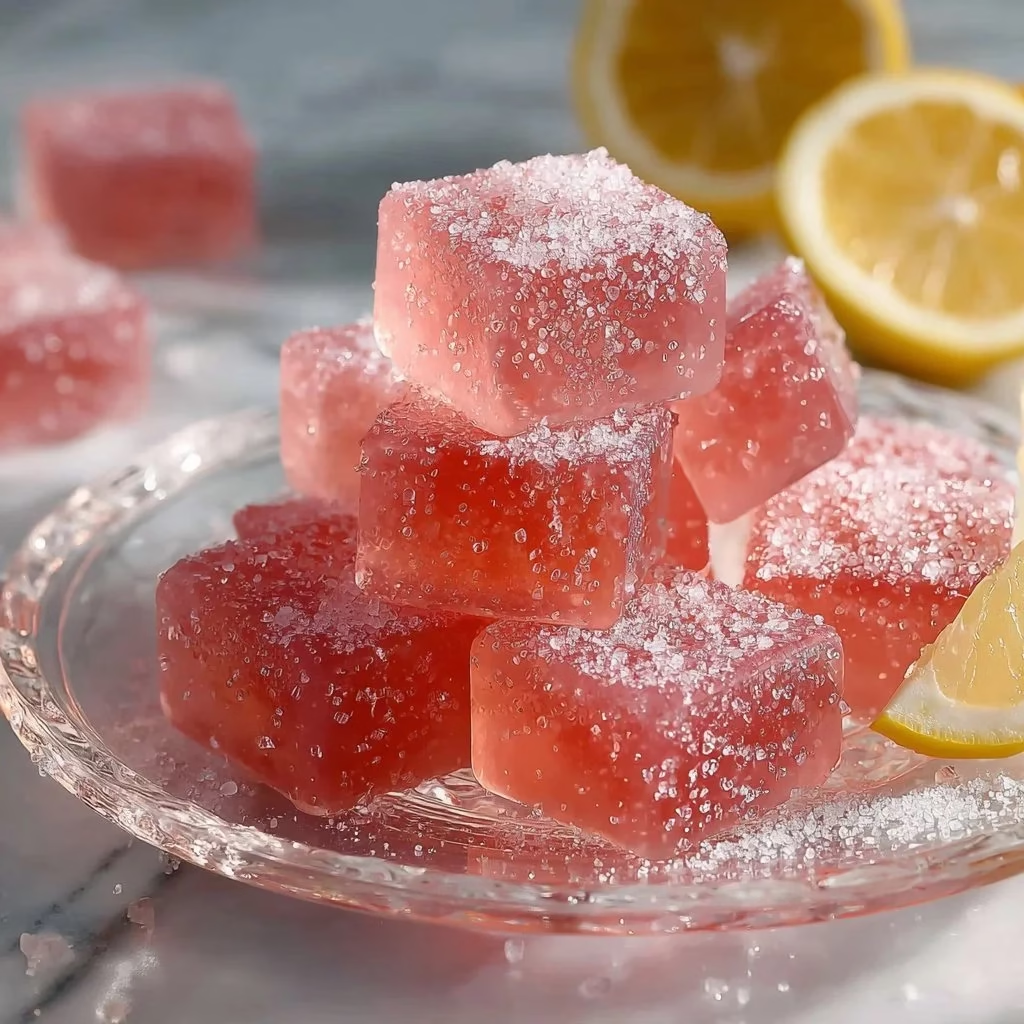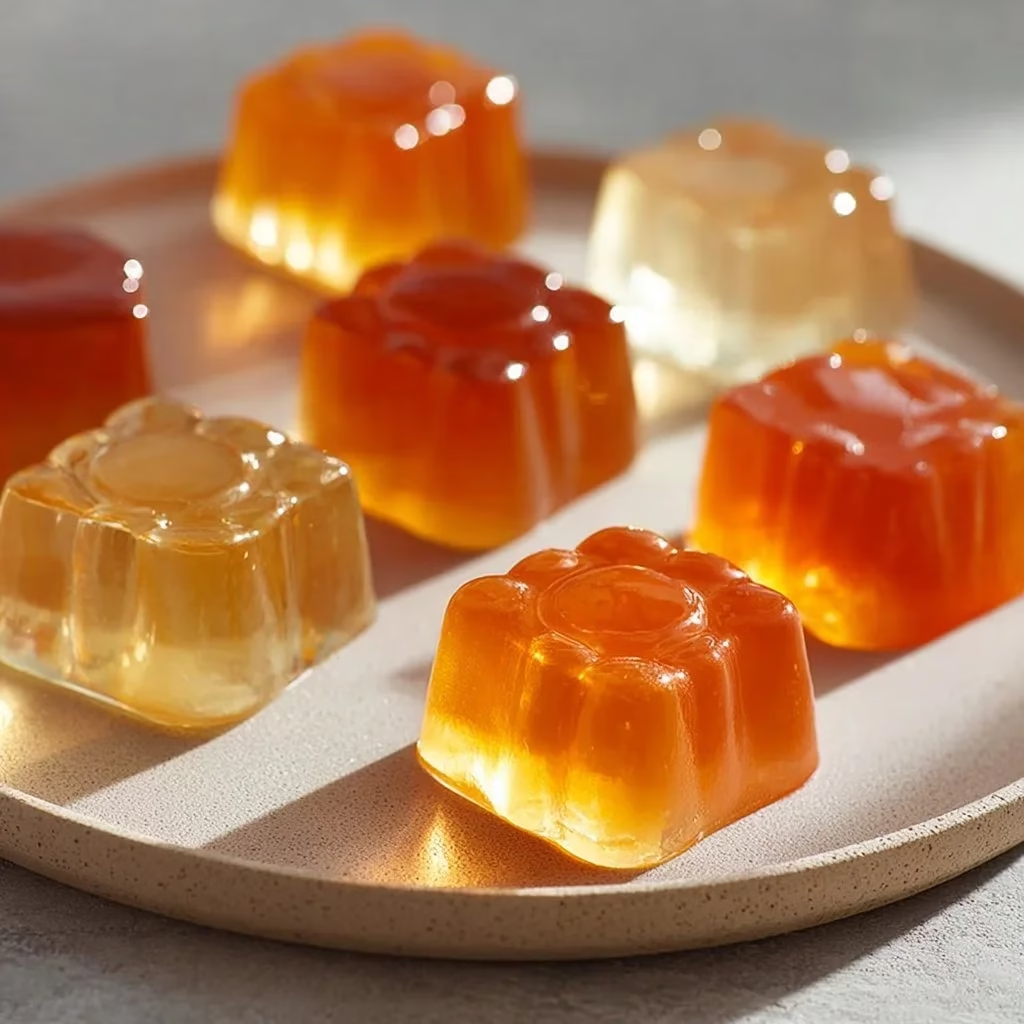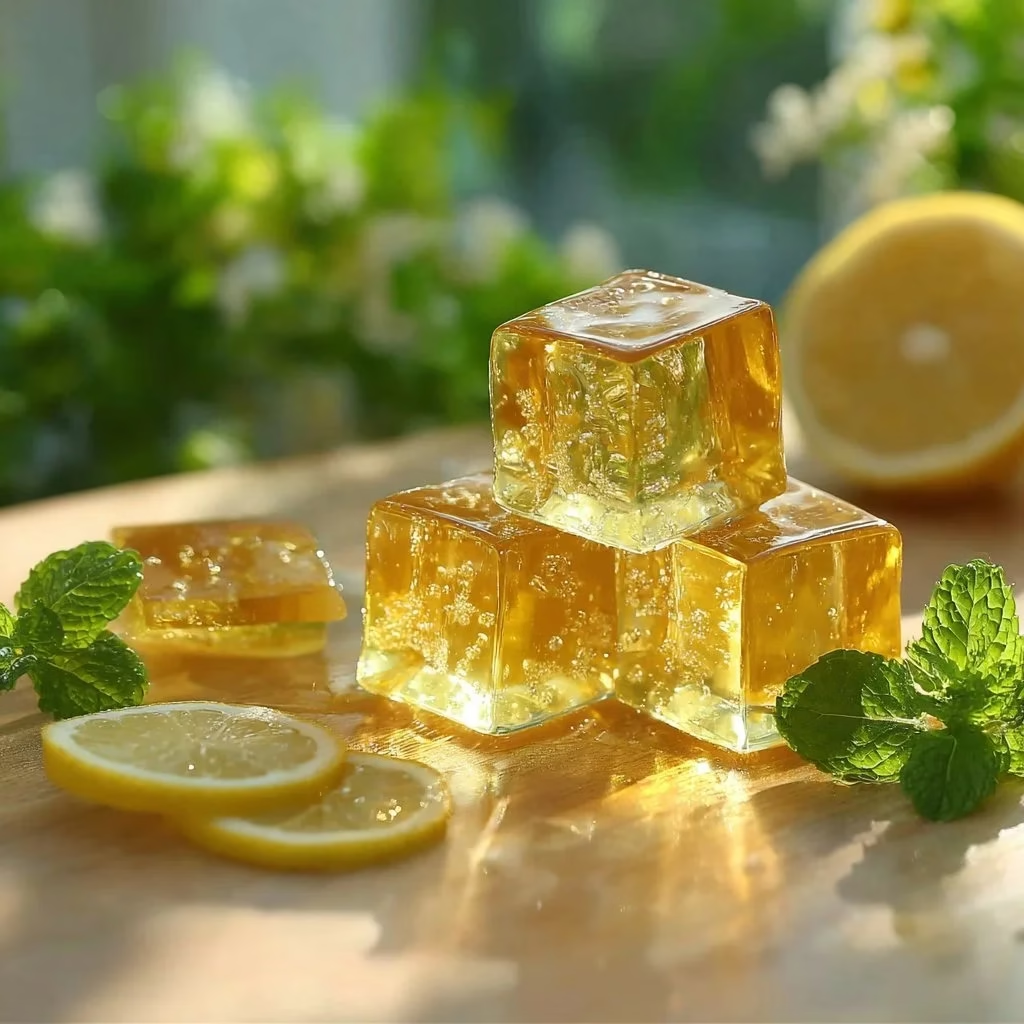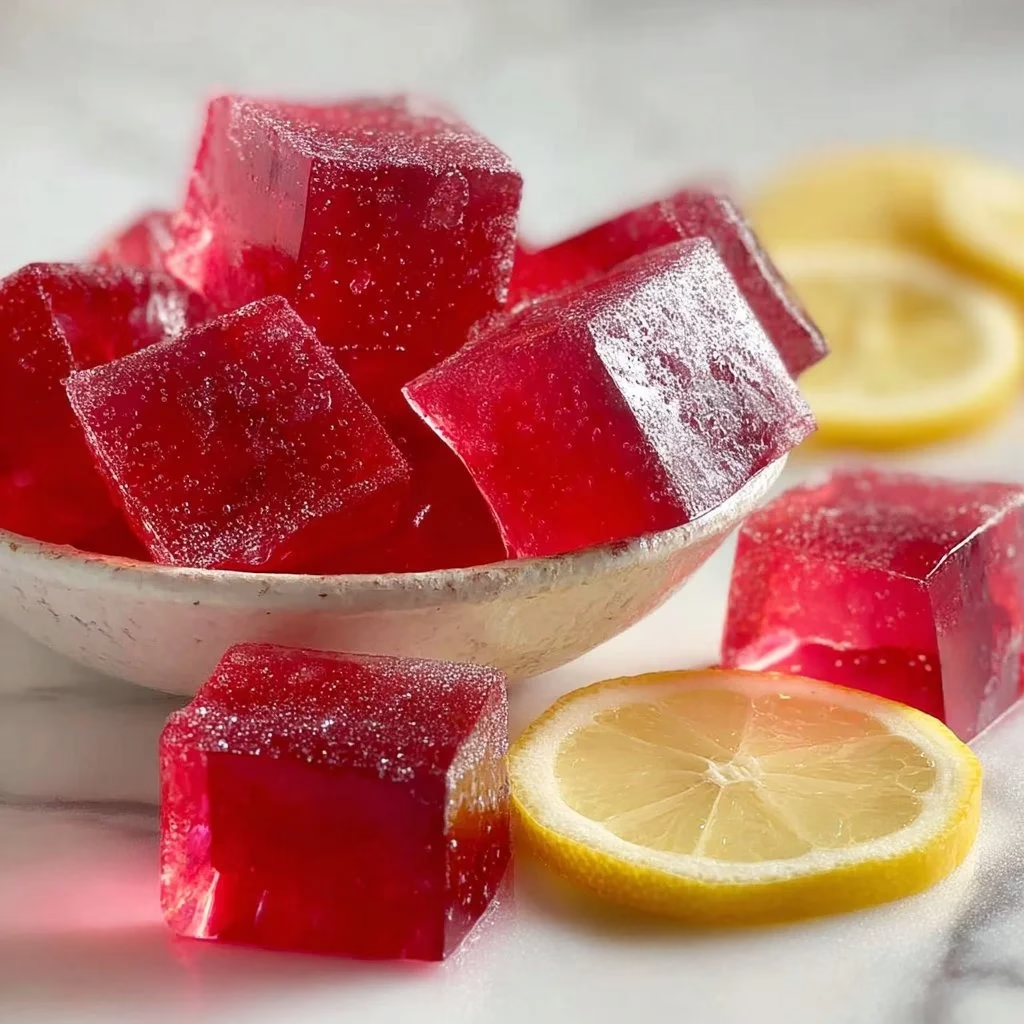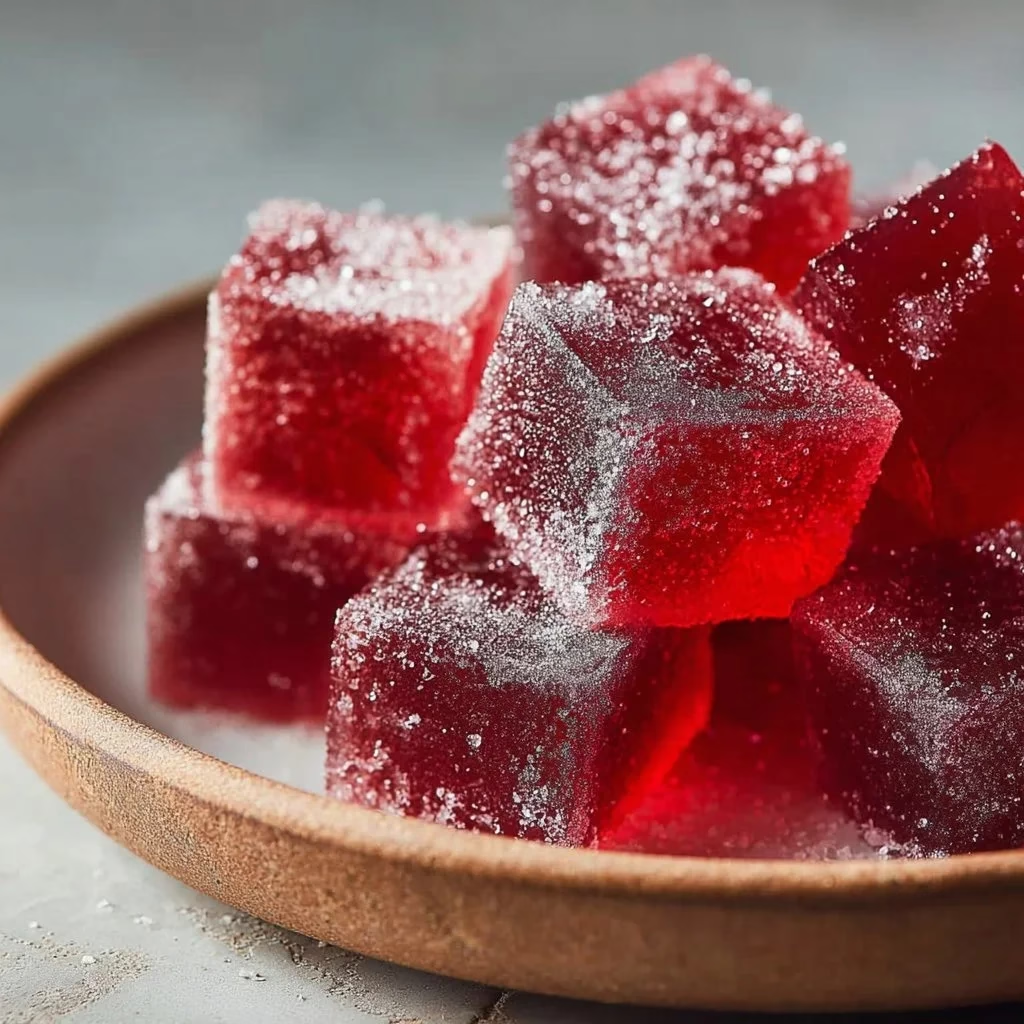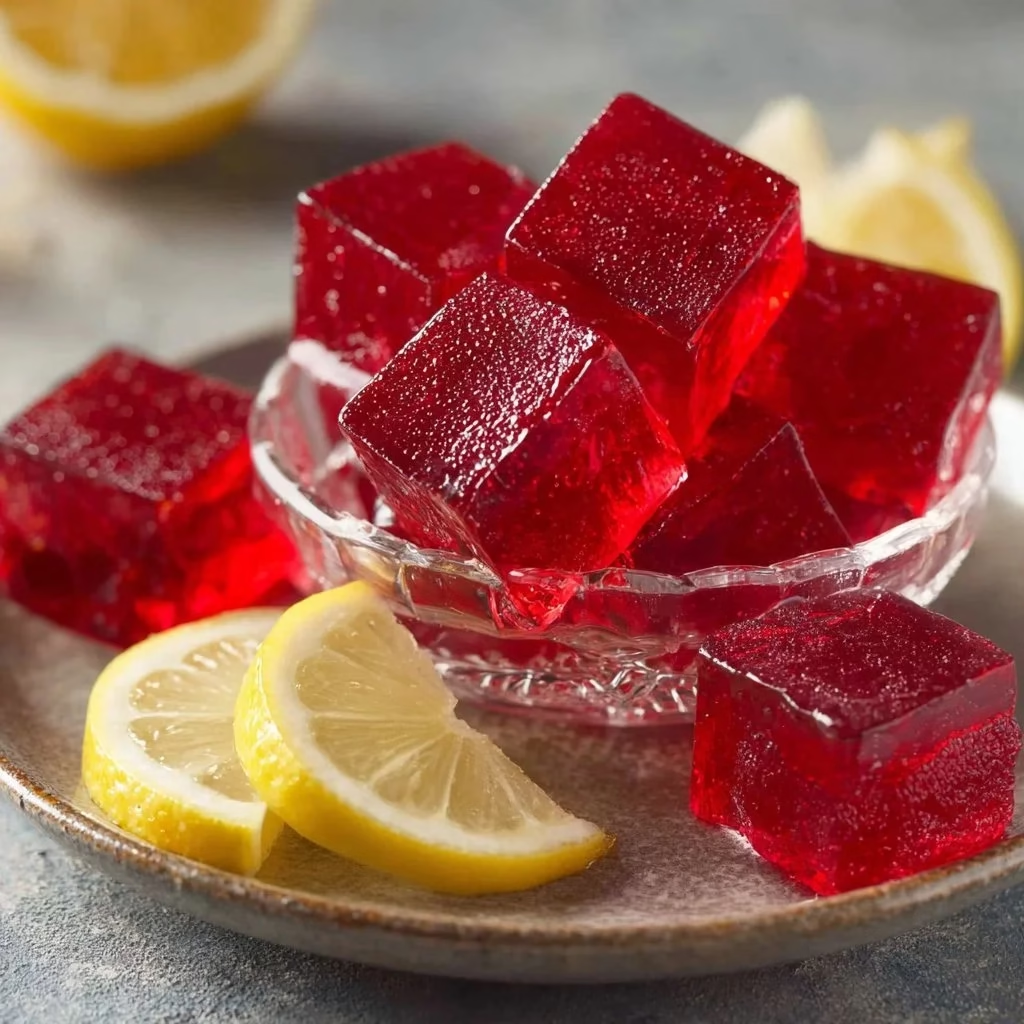
Lemon Gelatin is a simple, refreshing jelly-like tonic that many people prepare to support calorie control and curb sweet cravings. It blends bright citrus flavor with a soft, slightly bouncy texture and a cool, clean finish that feels refreshing on the tongue; the aroma is lemony and light. People often choose this recipe for weight loss because it is low in calories, provides a sense of fullness, and can replace higher-calorie desserts or snacks. The chill of a refrigerated serving makes it feel like a light treat any time of day, and it’s easy to make in batches for the week ahead. If you want a ready-made variation or inspiration to get started, check out a popular lemon gelatin tonic recipe that many readers find helpful.
What Is Lemon Gelatin?
Lemon Gelatin is essentially gelatin (or gelatine) flavored with lemon juice and zest, sweetener, and sometimes added bone broth or collagen for protein. The base ingredient, gelatin, is a protein derived from collagen that gels liquids into a firm or soft set depending on concentration. People use Lemon Gelatin for slimming because it can be very low in calories while providing a satiating texture that may help reduce snacking between meals; some versions add collagen to support protein intake without many calories. Additionally, the tart lemon flavor helps satisfy sugar cravings with fewer calories compared to typical desserts, and the cold, gelled mouthfeel can feel more filling than a liquid drink.
Many homemade Lemon Gelatin recipes are flexible and can be adjusted for sweetness, tartness, and firmness, making them easy to fit into different dietary plans. While gelatin offers no miracle weight loss effect, it is a useful tool for portion control and culinary satisfaction; people with dietary restrictions should check for suitable vegetarian alternatives like agar if needed. If you are experimenting with gelatin-based approaches, learning a few simple tricks from guides like the 3-ingredient gelatin trick can speed up your success in achieving the texture you prefer.
Why People Love This Method for Weight Loss
Many people appreciate Lemon Gelatin because it is straightforward, inexpensive, and feels indulgent without the calorie cost of typical sweets. The mild lemon scent and bright flavor make each spoonful satisfying, and the soft chew helps slow down eating which can support better portion control. Below are common benefits reported by people who incorporate this into their routines.
- Easy ingredients – Most recipes use pantry staples that are affordable and simple to find.
- Low calorie – A typical serving can be a fraction of the calories of a slice of cake.
- Helps curb cravings – The tart-sweet profile often satisfies sweet tooth urges.
- Fits into routines – Make-ahead portions mean you can grab a serving when hunger strikes.
- Hydration support – Because gelatin is prepared with water, it contributes a small fluid boost.
Ingredients
- Gelatin powder or sheets – Provides the gelling structure; choose unflavored for versatility or collagen if you prefer extra protein.
- Fresh lemon juice – Adds bright, natural citrus flavor and vitamin C; bottled juice can be used in a pinch.
- Sweetener (honey, stevia, or sugar) – Balances tartness; use low-calorie sweeteners for fewer calories.
- Warm water – Dissolves gelatin; temperature matters for proper blooming and dissolving.
- Lemon zest (optional) – Enhances aroma and intensifies lemon flavor without extra liquid.
- Pinch of salt (optional) – Enhances overall flavor and balances sweetness.
- Optional add-ins: collagen or a splash of apple cider vinegar – Collagen adds protein, and a dash of apple cider vinegar can give extra tang similar to an apple cider vinegar gelatin variation.
How to Make It (Step-by-Step)
Overview: Making Lemon Gelatin is quick once you understand the blooming and dissolving steps. You will bloom the gelatin in cool water, dissolve it in warm liquid with lemon and sweetener, then chill until set. Timing and temperature are important to avoid grainy texture or a gelatin that won’t set. The following steps are beginner-friendly and include sensory cues so you can tell when each stage is right.
- Bloom the gelatin. Sprinkle the powdered gelatin over 1/4 cup of cool water in a small bowl and let it sit for 3 to 5 minutes until it swells and becomes spongy. This step ensures a smooth final texture; don’t skip it.
- Heat the liquid. In a saucepan, warm 1 cup of water or a water-lemon mix over low heat until it’s hot but not boiling, about 120 to 140 F, stirring gently. You should see small steam wisps and the liquid should shimmer without bubbling.
- Dissolve the gelatin. Add the bloomed gelatin to the warm liquid and stir for 1 to 2 minutes until fully dissolved and glossy; the mixture should look clear, not cloudy. If you see grains, keep stirring over low heat until smooth.
- Add lemon and sweetener. Remove from heat and stir in 1/4 cup fresh lemon juice, sweetener to taste, and zest if using, mixing until everything is integrated; taste and adjust. The balance of tartness and sweetness is key—aim for a bright, slightly tangy finish.
- Cool slightly, then chill. Let the mixture cool to room temperature for 5 to 10 minutes, then pour into a tray or individual cups and transfer to the refrigerator. Chill for at least 2 to 4 hours until set; texture should be pleasantly wobbly.
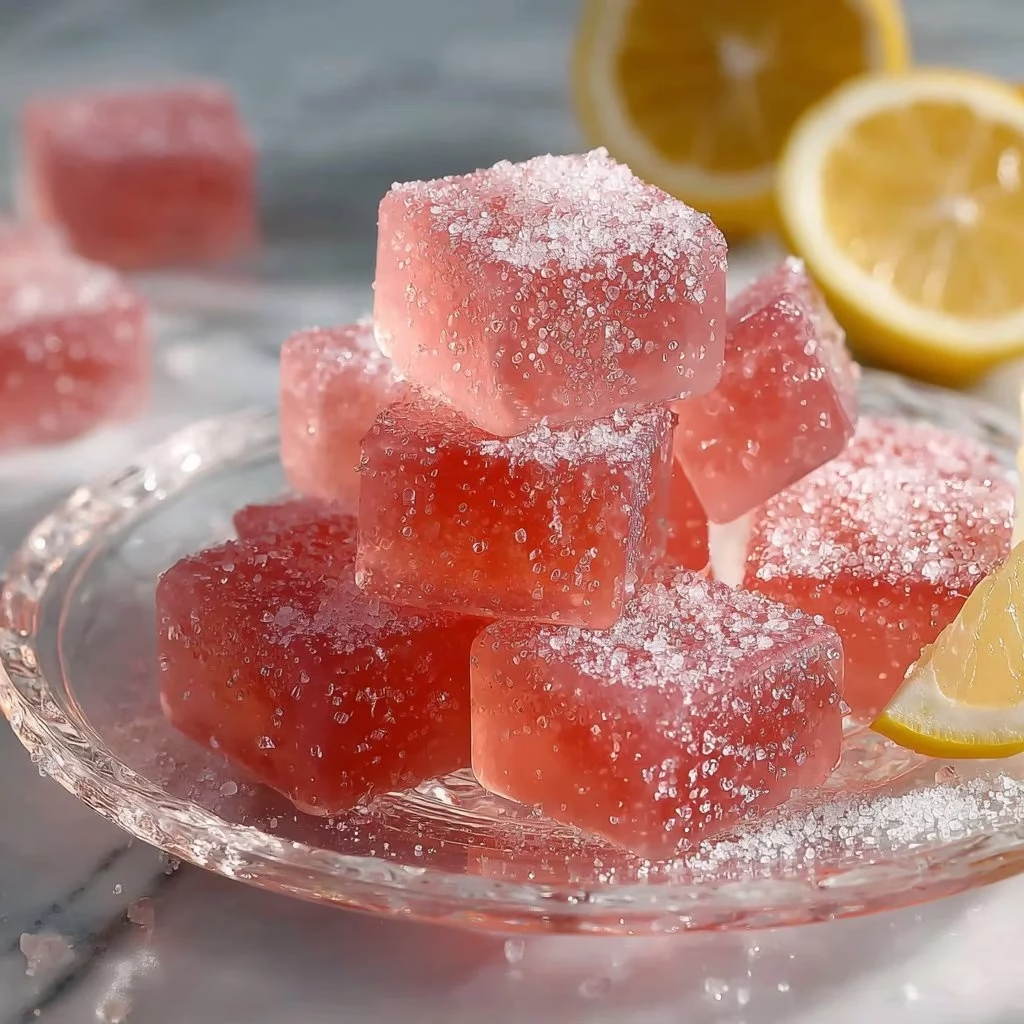
- Serve or store. Once set, cut into portions or scoop into bowls; you can garnish with thin lemon slices or a light sprinkle of zest. Store covered in the fridge for up to 5 days.
- Make variations safely. If adding collagen instead of gelatin, follow product directions for heat tolerance and bloom time; for a vegan option, substitute agar and adjust setting times accordingly.
If you prefer a guided 3-ingredient approach, consider consulting a tested recipe like the 3-ingredient gelatin recipe for weight loss to compare proportions and outcomes.
How to Use It for Better Weight Loss
Using Lemon Gelatin strategically can help you replace higher-calorie snacks while still enjoying a dessert-like experience, and the firm texture slows your pace of eating which supports satiety. Keep servings moderate and pair with balanced meals to avoid relying on gelatin as a sole strategy for weight loss. Combining this habit with regular protein and fiber-rich meals helps maintain energy and reduces overeating later in the day. Also, note that adding proteins like collagen can slightly increase the satiety value but also raises calorie content, so track portions accordingly.
- Timing: Enjoy a small serving after a meal to satisfy dessert cravings, or use a portion as an afternoon snack.
- Portions: Aim for 1/2 to 3/4 cup per serving to keep calories low while feeling satisfied.
- Frequency: Limit to once daily as a replacement for higher-calorie treats, unless calories and macros fit your plan.
- Pairing: Combine with a protein-rich meal or snack to support fullness throughout the day.
- Safety: If you have allergies or dietary restrictions, choose appropriate gelatin alternatives.
For more ideas on timing and routine-friendly tricks, the 3-ingredient gelatin trick 2 offers tips that many readers adapt to their schedules.
Tips & Variations
Lemon Gelatin is versatile and can be adapted to lower calories, different flavor profiles, or specific diets with a few easy swaps. Small changes like using a nonnutritive sweetener or adding fresh herbs can transform the experience while keeping it light. Experiment with firmness and sweetness until you find the texture and flavor that best curb your cravings.
- Low-calorie option – Use erythritol or stevia to cut sugar while maintaining sweetness.
- Flavor mixes – Add a few mint leaves or a splash of vanilla for a different aroma profile.
- Diet-friendly swaps – Substitute agar for a vegan version, but increase setting time and adjust amounts.
- Protein boost – Stir in a flavored collagen powder after cooling slightly to avoid denaturing the protein.
- Citrus mix – Combine lemon with a touch of lime or orange for a layered citrus taste.
You can also explore more creative takes on this simple treat through community recipes and variations.
Mistakes to Avoid
A few common errors can lead to a grainy or improperly set Lemon Gelatin, but most are easy to fix with awareness and small adjustments. Pay attention to bloom time, water temperature, and proportion of gelatin to liquid to avoid texture issues. If it doesn’t set the first time, you can often reheat and rebalance the mixture rather than discard it.
- Skipping the bloom – Always let gelatin absorb cool water first; otherwise it may clump.
- Boiling the gelatin – Avoid boiling as high heat can break down gelatin’s gelling ability; keep it below simmer.
- Over-sweetening – Too much sugar masks lemon freshness; sweeten gradually and taste as you go.
- Using wrong proportions – If it’s too soft, slightly increase gelatin; if too firm, dilute with water and rebalance sweetener.
- Adding acidic juice too early – Mix lemon juice after the gelatin is dissolved to avoid weakening the set.
FAQs
Q: Can I prepare Lemon Gelatin ahead of time?
A: Yes, Lemon Gelatin is ideal for prep-ahead because it stores well in the refrigerator for several days. Keep it covered to prevent flavor absorption from other foods, and portion it into individual containers for grab-and-go convenience. Properly stored, it retains texture and flavor for up to 5 days.
Q: How should I store leftover Lemon Gelatin?
A: Store leftover Lemon Gelatin in an airtight container in the fridge to prevent drying and odors from other foods. If molded, cover with plastic wrap pressed lightly to the surface to avoid condensation. Consume within 4 to 5 days for best quality.
Q: Can I substitute gelatin with a vegetarian alternative?
A: Yes, agar-agar can be used as a plant-based substitute but requires different ratios and usually a brief boil to activate. Agar sets firmer and faster, so reduce the amount relative to gelatin and allow it to cool thoroughly. Follow specific agar instructions for best results.
Q: When is the best time to eat Lemon Gelatin for weight loss?
A: Many find it helpful as an after-dinner treat to satisfy dessert cravings with fewer calories, or as a midafternoon snack to prevent overeating later. Timing depends on your routine and hunger patterns; avoid relying solely on gelatin for nutrition. Pair it with balanced meals for better overall appetite control.
Q: Is Lemon Gelatin safe if I am taking medications or have medical conditions?
A: For most people, Lemon Gelatin is safe as a food, but if you have specific medical concerns, digestive issues, or are on medications that affect appetite or digestion, consult your healthcare provider. Gelatin is generally well tolerated, but always check with a professional if you are unsure.
Final Thoughts
Lemon Gelatin can be a practical, low-calorie way to enjoy a sweet, satisfying treat while supporting better portion control and fewer impulse snacks. Its bright flavor, pleasant wobble, and easy prep make it appealing for many people trying to reduce dessert calories without feeling deprived. While not a standalone weight loss solution, it is a useful tool when combined with balanced meals and consistent habits. Give the recipe a try, adjust sweetness and firmness to your liking, and observe how it affects your cravings and routine. Try it and tell me how it worked for you!
Conclusion
For a classic take on homemade lemon jello that uses simple pantry ingredients, check out this DIY guide to making lemon jello from Domestic Dreamboat: DIY Lemon Jello – Domestic Dreamboat.
If you prefer naturally sweetened options, Recipes to Nourish offers a gentle approach to sweetening homemade lemon jello: Naturally Sweetened Homemade Lemon Jello | Recipes to Nourish.
For a family-friendly, naturally sweet version with helpful tips, Mommypotamus provides a detailed lemon jello recipe worth exploring: Naturally Sweetened Lemon Jello Recipe – Mommypotamus.
If you want a recipe that emphasizes real juice and authentic texture, JelloJoy’s take on homemade lemon jello is a solid reference: Homemade Lemon Jello (With Real Juice!) – jellojoy.
For a lighter, elegant lemon gelee variation that showcases bright citrus flavor, consider the lemon gelee recipe from Bigger Bolder Baking: Light & Refreshing Lemon Gelée – Gemma’s Bigger Bolder Baking.
The information provided in this article is for educational purposes only and should not be considered medical advice. Everyone’s body is different, and what works for one person may not work for another. It’s always best to speak with your healthcare provider before making this a daily habit, especially if you are taking medications, managing a medical condition, or are pregnant or breastfeeding. Always consult your doctor for personalized guidance.
PrintLemon Gelatin
A simple, refreshing jelly-like tonic that blends bright citrus flavor with a soft texture, perfect for calorie control and satisfying sweet cravings.
- Prep Time: 10 minutes
- Cook Time: 0 minutes
- Total Time: 240 minutes
- Yield: 4 servings 1x
- Category: Dessert
- Method: Chilling
- Cuisine: American
- Diet: Low-Calorie
Ingredients
- 1 packet gelatin powder or sheets
- 1/4 cup fresh lemon juice
- Sweetener (honey, stevia, or sugar) to taste
- 1 cup warm water
- Lemon zest (optional)
- Pinch of salt (optional)
- Optional add-ins: collagen or a splash of apple cider vinegar
Instructions
- Bloom the gelatin by sprinkling it over 1/4 cup of cool water in a small bowl and letting it sit for 3 to 5 minutes.
- Heat 1 cup of water in a saucepan over low heat until hot but not boiling.
- Dissolve the bloomed gelatin in the warm liquid, stirring for 1 to 2 minutes until fully dissolved.
- Add the lemon juice, sweetener, and zest to the mixture, and stir to combine.
- Cool slightly, then pour into a tray or individual cups and transfer to the refrigerator.
- Chill for at least 2 to 4 hours until set.
- Serve cut into portions or scooped into bowls, garnished with lemon slices or zest.
Notes
Experiment with low-calorie sweeteners or different flavor profiles; adjust sweetness and firmness to your preference.
Nutrition
- Serving Size: 1/2 to 3/4 cup
- Calories: 15
- Sugar: 0g
- Sodium: 0mg
- Fat: 0g
- Saturated Fat: 0g
- Unsaturated Fat: 0g
- Trans Fat: 0g
- Carbohydrates: 2g
- Fiber: 0g
- Protein: 0g
- Cholesterol: 0mg
Keywords: lemon gelatin, low calorie dessert, weight loss, refreshing snack